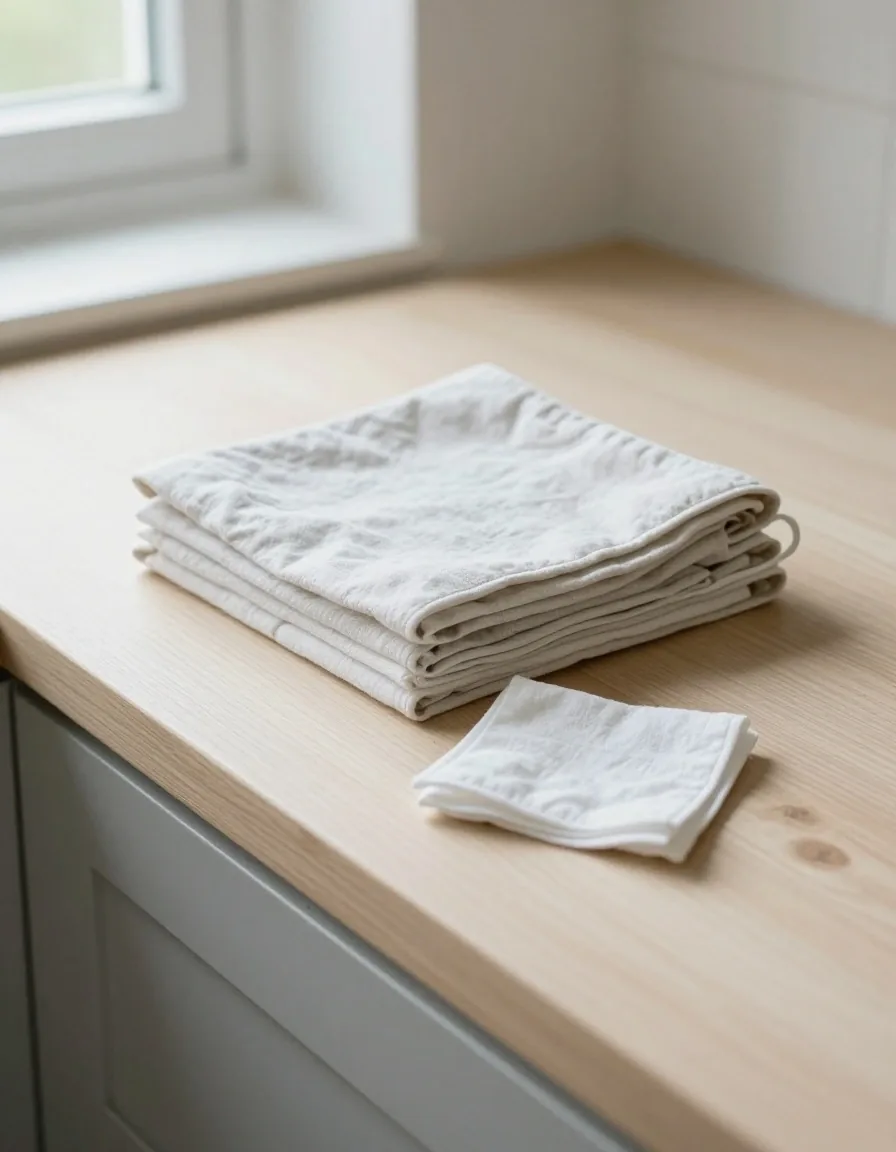
Everyday cloths
Covers spills, worktops and hands. Wash with your normal load, no special cycle needed.
Questions about low waste living?
Monday to Friday, 9:00 AM – 6:00 PM
+44 20 7946 0821
Contact GreenLoopZero waste kitchen swaps
The kitchen produces more household waste than any other room, which makes it the best place to start. This guide covers the swaps that replace the most common throwaway items, plus the shopping habits that keep packaging out of the house in the first place.
Replace kitchen roll
Glass containers and wraps
Buy without packaging
Pick two or three of these to begin with. Adding everything at once is how kitchens end up full of unused gadgets.
Start with the roll
Kitchen roll is convenient, single-use, and expensive over a year. A stack of cotton or microfibre cloths does the same job for spills, wiping surfaces, and drying hands. Keep a clean pile within reach and a small bin or bag for used ones, then wash them with the normal laundry. Cut-up old towels and t-shirts work fine, especially for greasy jobs you would rather not put through the machine. Keep a separate set for cleaning products and another for food surfaces.
Covers spills, worktops and hands. Wash with your normal load, no special cycle needed.
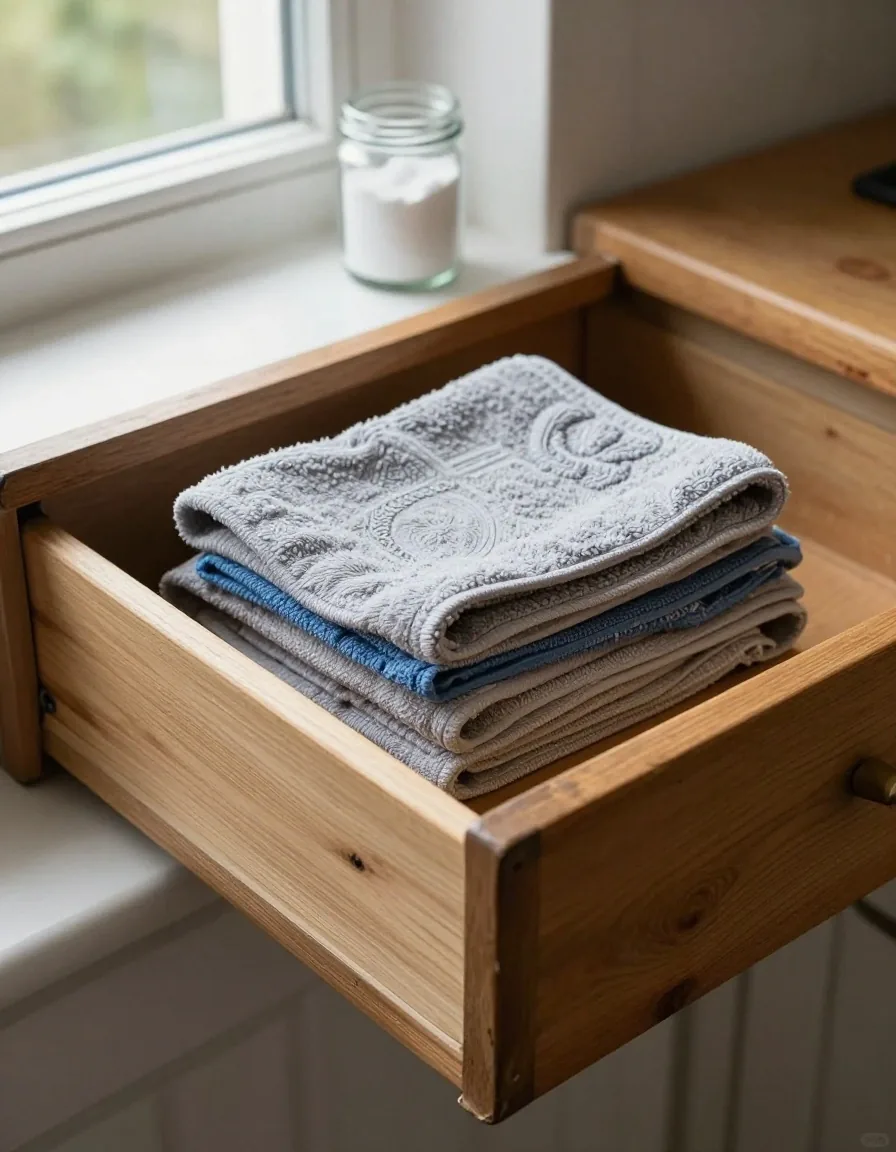
Best for greasy jobs you would rather throw away than launder. Old t-shirts work too.
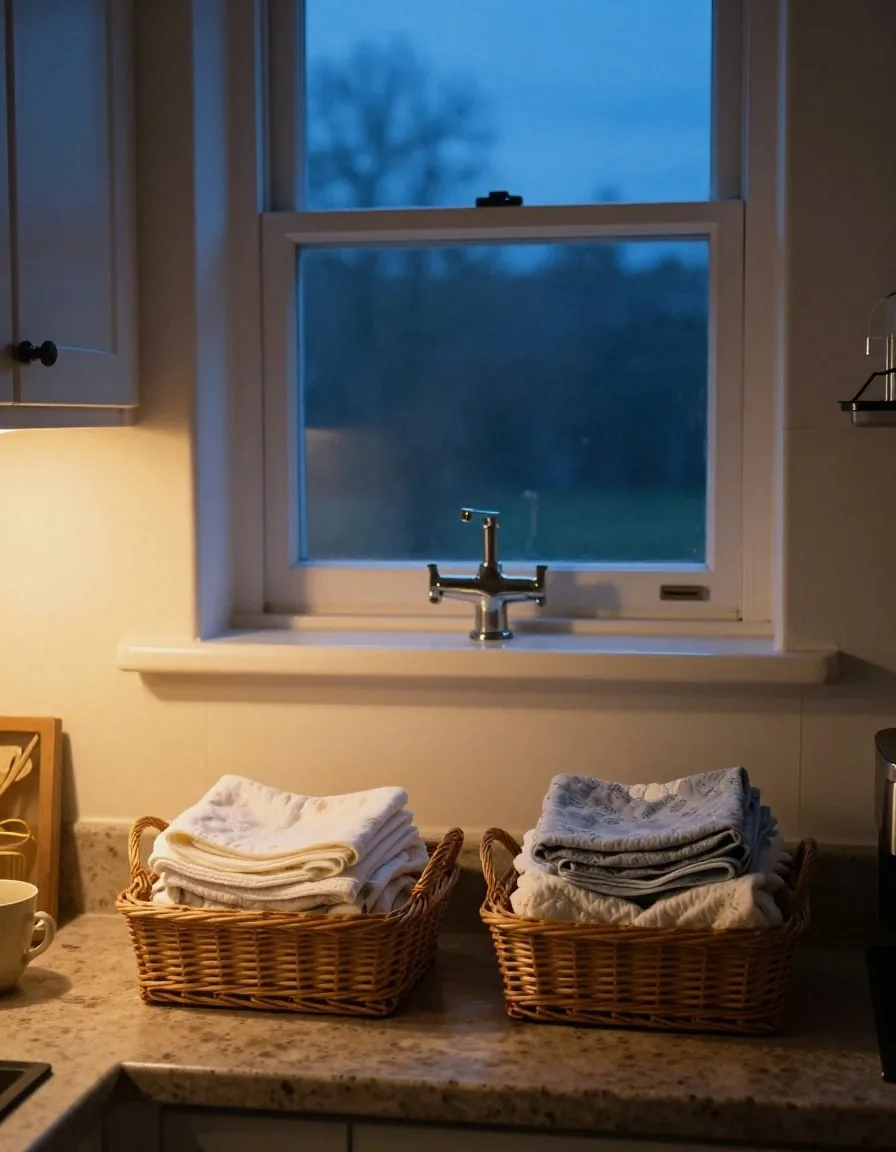
One for cleaning products, one for food surfaces. No cross-over, no guessing.
Cost note
Cloths pay back in weeks
A stack you already own costs nothing. Buying new still beats a year of paper.
Keep it simple
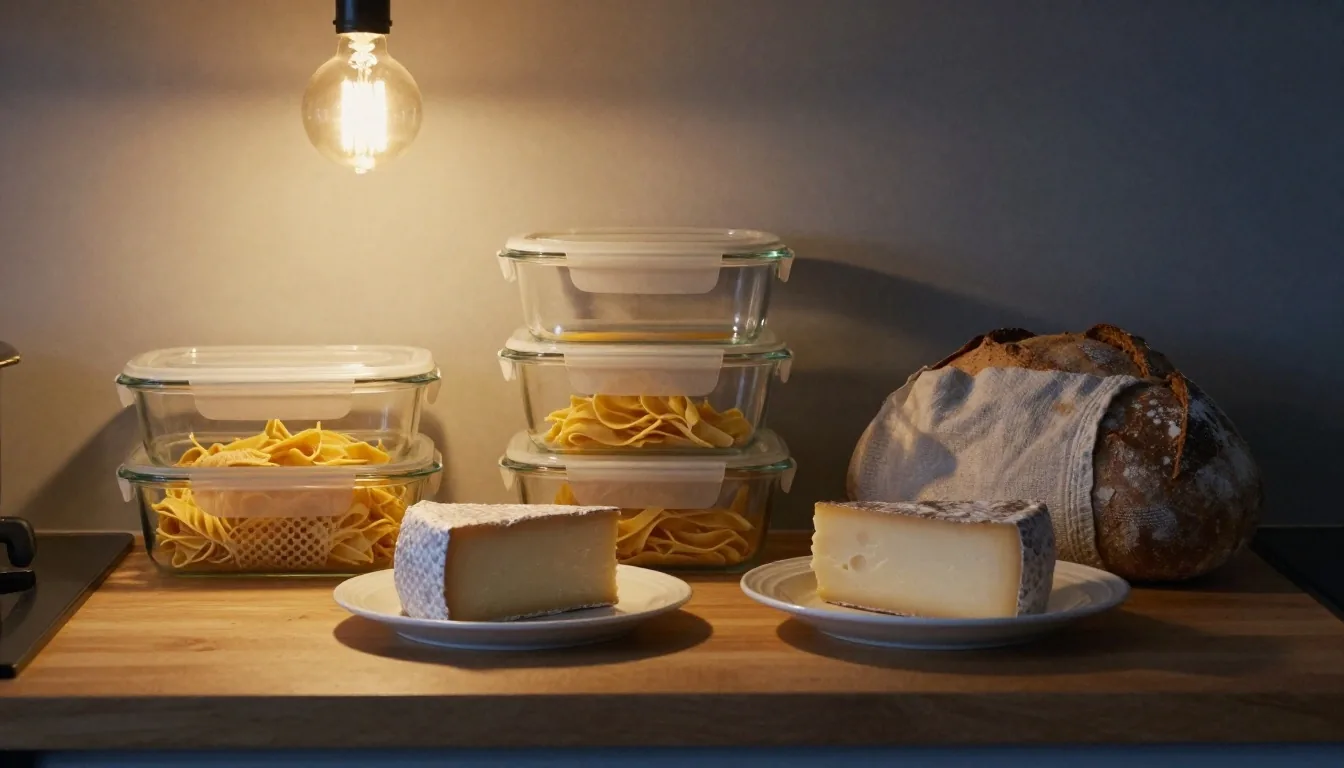
Cling film is one of the easiest items to drop. Glass containers with lids cover most leftovers, and a plate over a bowl does the same job in the fridge. Beeswax wraps work for cheese, bread, and cut vegetables, though they do not suit raw meat or anything still hot. Wraps need care: wash them in cool water with a mild soap, air dry, and keep them away from heat. They last about a year, then can be composted or rewaxed. If you make your own, the process is straightforward and cheaper than buying a set.
Reusable produce bags guide
Most UK supermarkets sell at least some vegetables loose. Onions, potatoes, carrots, bananas, and many others are often available without plastic, usually cheaper than the pre-packed version.
A couple of reusable produce bags covers the rest. Cloth bags breathe better than plastic and weigh almost nothing on the scale.
Markets and greengrocers are usually a better bet. You can choose exactly how much you need, which also cuts food waste. Bring your own bags and skip the plastic ones at the stall.
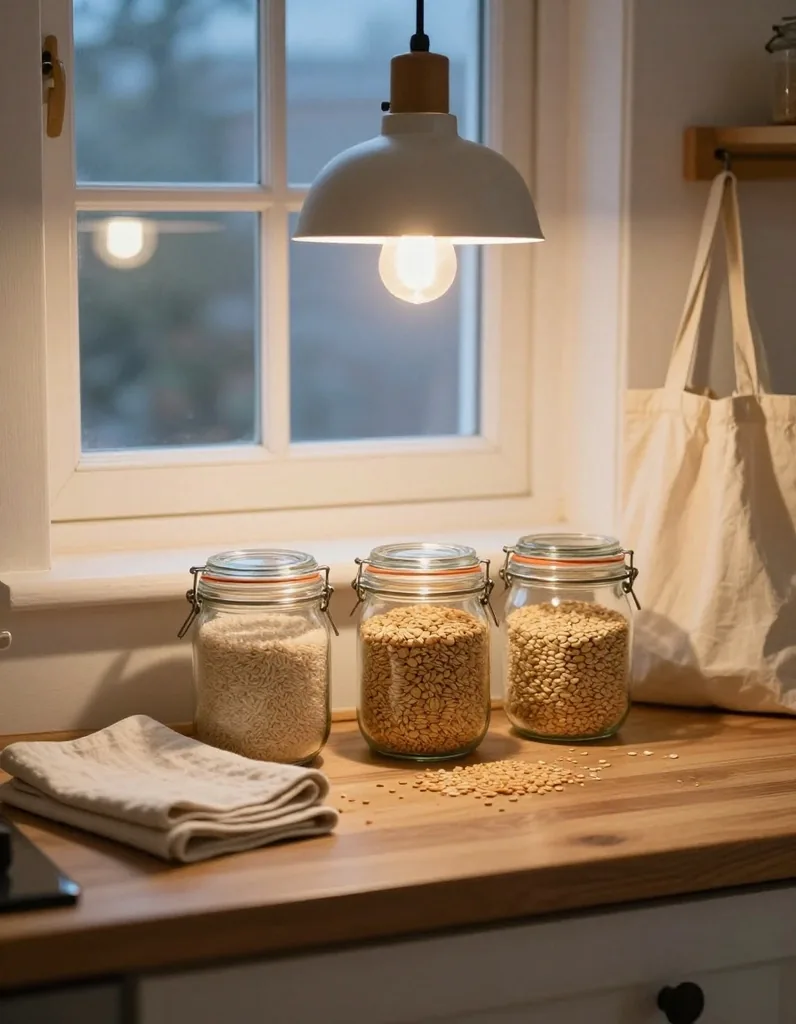
Refill shops and bulk bins let you buy dry goods by weight into your own containers. The savings are real, but only if you buy what you will use. Rice, pasta, oats, lentils, and dried fruit refill well. Spices refill well in small quantities. Flour can be trickier if you bake rarely. Check the price per kilo against the supermarket version — refill is not always cheaper, but it usually is for staples. Bring clean, dry containers and note the weight before filling.

Choose the exact amount you need at a stall, and two cloth bags cover almost every shop.
Eco friendly kitchen cleaning
Washing-up liquid, white vinegar, bicarbonate of soda, and a general-purpose cleaner in a refillable bottle. Vinegar handles limescale and glass. Bicarb deals with smells and burnt pans. A drop of washing-up liquid covers greasy surfaces.
Buy refills in concentrate where you can, or refill bottles at a local shop. Avoid single-use wipes, which are usually plastic-based and do not break down.
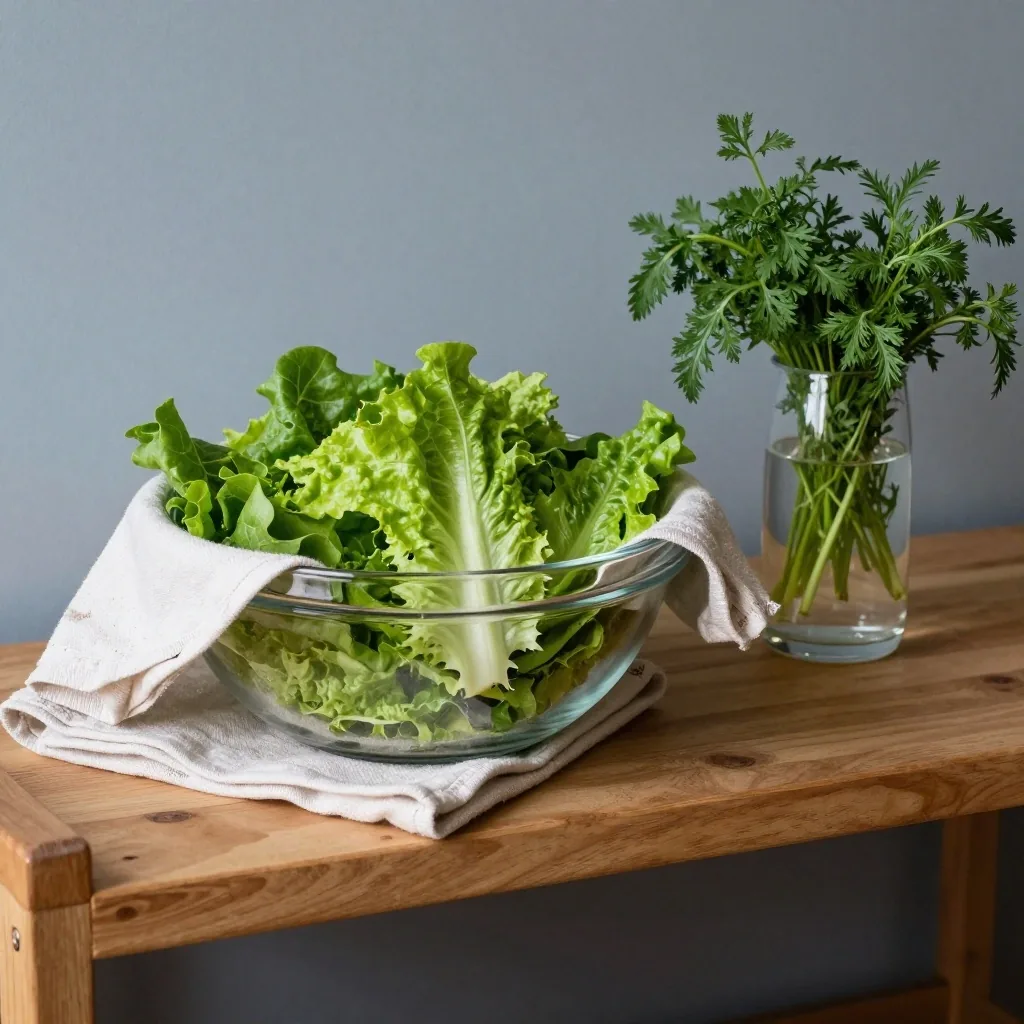
Plan meals for the week before you shop, and check what is already in the fridge and cupboards. Store food properly: herbs in water, salad in a container with a cloth, bread in the freezer, potatoes in the dark.
Learn the difference. Best before is about quality and is often a guide, not a deadline. Use by is about safety and should be followed.
Sorting the fridge weekly is the cheapest way to reduce household waste. Move what is oldest to the front before you cook.
Sustainable shopping tips
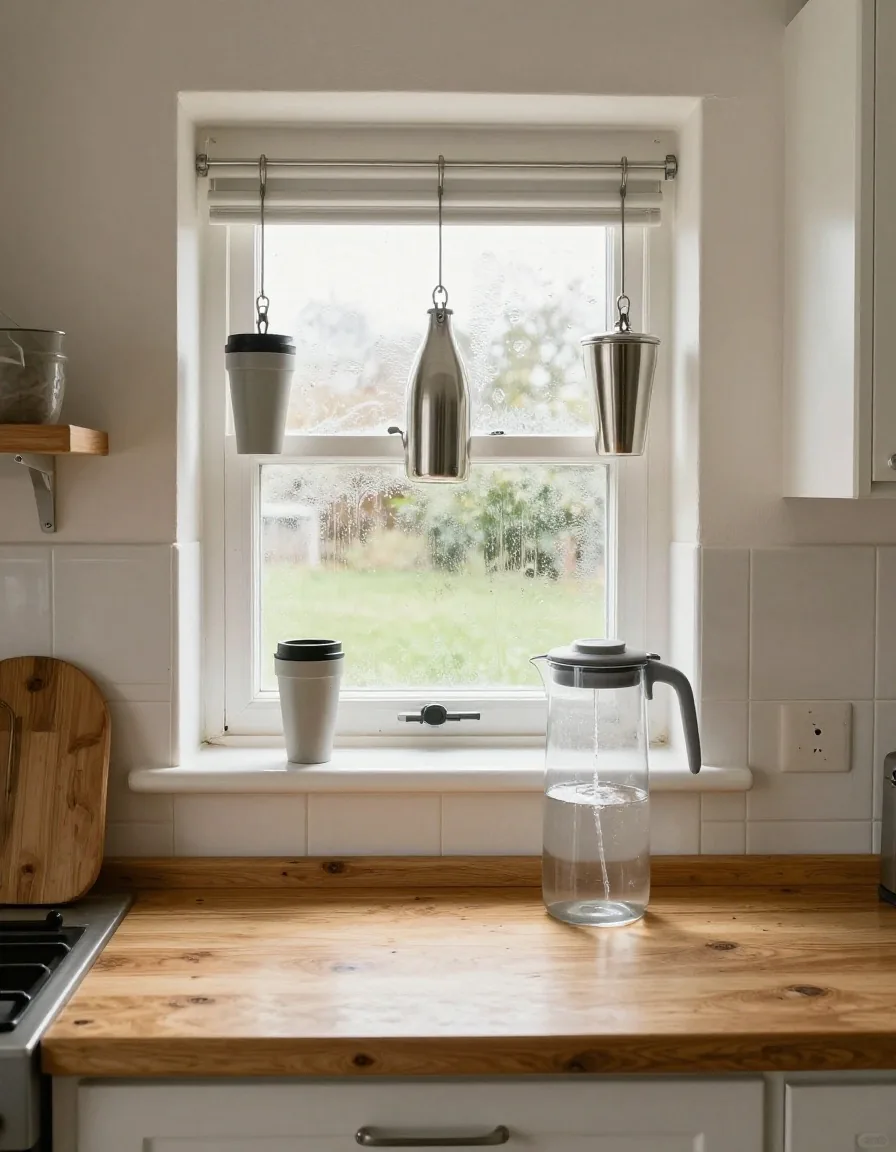
A reusable cup and bottle cover most daily drinks. If you use a coffee machine, check whether the pods are recyclable or whether a refillable pod fits your model. Loose tea avoids bags that contain plastic, though not all do, so it is worth checking the packaging. Filtered tap water in a bottle beats bottled water on cost and waste. If you do not like the taste, a simple filter jug usually sorts it.
Low waste home guide
Keep a bag by the door so it leaves the house with you. Keep a list on your phone and stick to it. Shop with meals in mind rather than browsing offers, which usually push larger packs than you need. Buying less often in bigger batches reduces packaging and trips. Buying fresh produce more often in smaller amounts reduces waste. Find the balance that suits your week, and do not worry if it changes by season.
Keep going
Composting food scraps at home
Vegetable peelings, coffee grounds and tea leaves are the last thing left in the bin once the swaps are in place.
Learn how to compost at homeQuestions we hear often
A few honest answers about what works, what it costs, and what to do with the scraps you cannot avoid.
No. They suit cheese, bread, and cut vegetables. Use glass containers for meat, fish, and hot food.
Sometimes. Staples like rice and oats are usually cheaper per kilo. Speciality items can cost more, so it is worth checking the price per kilo before you fill a jar.
Yes. A countertop composter or a council food waste collection handles most kitchen scraps indoors.
Where to go next
The kitchen swaps cover most of the weekly waste. The next two guides handle the scraps and the things you already own.
GreenLoop Living is an editorial resource for UK households. If you would rather ask a question first, our team is at 42 Bramley Road, London, N14 4HP, on +44 20 7946 0821, Monday to Friday, 9:00 AM to 6:00 PM.
Contact the GreenLoop Living team